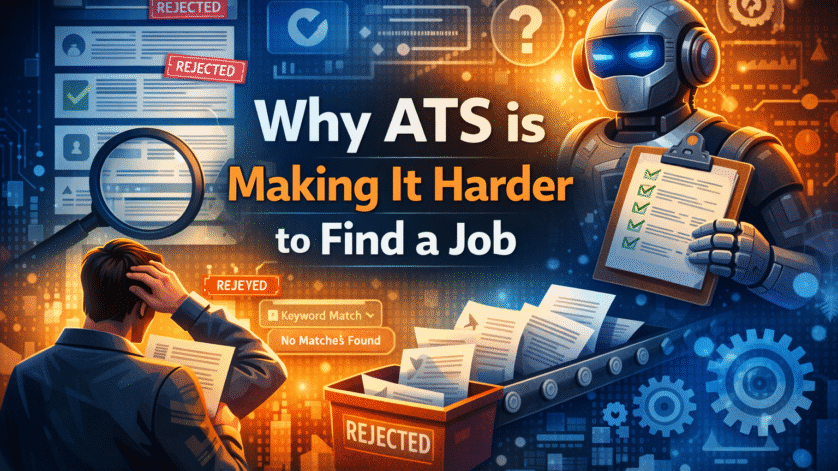
Applicant Tracking Systems (ATS) have become a ubiquitous component in modern recruitment, designed to streamline the hiring process by automating initial resume screening. However, despite their intended efficiency, ATS can inadvertently make it more challenging for job seekers to secure employment due to several inherent limitations and the ways they are currently implemented.
Keyword Matching & Semantic Mismatch
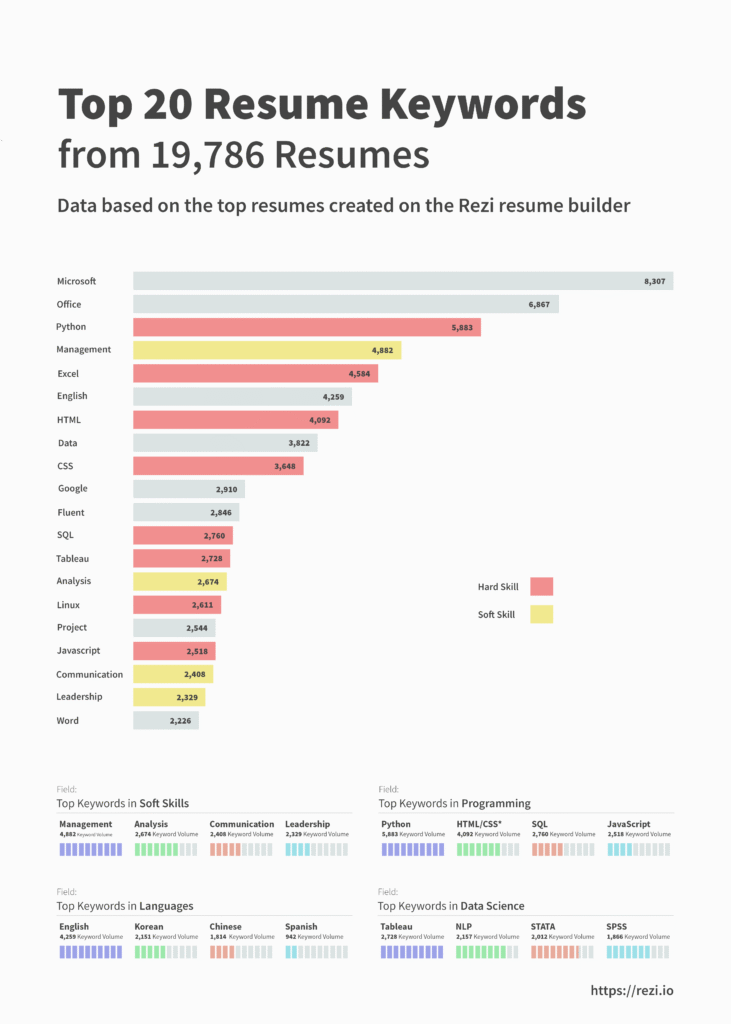
One primary reason why ATS is making it harder to find a job for many candidates is its heavy reliance on keyword matching. These systems often scan resumes for specific keywords and phrases directly extracted from job descriptions. If a candidate’s resume does not contain the exact keywords, even if they possess the relevant skills and experience, their application may be automatically filtered out. This rigid keyword-based filtering can overlook highly qualified individuals who describe their competencies using slightly different terminology or synonyms not present in the job description. For instance, a candidate might use “project management” while the ATS is programmed to search only for “program coordination,” leading to an unwarranted rejection. This highlights a critical flaw in traditional ATS, where semantic understanding is often limited, causing “gifted candidates a role due to a few minor semantic mismatches”.
Formating & ATS Complaint:
Furthermore, the formatting and structure of a resume play a crucial role in why ATS is making it harder to find a job for many candidates. Non-standard resume formats, creative designs, or the use of graphics and unusual fonts can confuse these systems, leading to errors in data extraction or rendering the resume unreadable 8. When an ATS fails to correctly parse a resume, essential information such as skills, experience, and contact details might be missed, effectively making the candidate invisible to recruiters. Job seekers are therefore compelled to construct “ATS-compliant resume applications” , often sacrificing aesthetic appeal for machine readability, which can be a complex task without proper guidance. The lack of standardized criteria for resume parsing across different ATS further exacerbates this issue, as what works for one system might fail in another. This problem is addressed by various AI-powered resume builders and analyzers designed to help optimize resumes for ATS compatibility by providing feedback and suggestions.
Why ATS Is Making It Harder to Find a Job for Qualified Candidates
The traditional ATS also often suffers from imprecise data extraction and inaccurate keyword selection, further explaining why ATS is making it harder to find a job for qualified candidates. Even when a resume includes relevant experience and skills, the system may fail to correctly identify or prioritize that information, resulting in an inefficient and sometimes unfair shortlisting process.. This issue is particularly prevalent in systems that rely solely on basic keyword matching without advanced capabilities. Manual resume screening, while time-consuming, historically allowed for human discernment that could contextualize information and identify transferable skills not explicitly keyword-matched. The shift to automated systems, without sufficient sophistication, risks losing this human judgment in the initial stages.
Why ATS Is Making It Harder to Find a Job Due to Lack of Transparency
The problem of limited transparency in ATS also contributes to job seeker frustration. Candidates rarely receive detailed feedback on why their application was rejected, leading to a “black-box” scenario where they are unaware of the specific elements that caused their resume to be screened out. This lack of transparency prevents job seekers from understanding and rectifying the deficiencies in their applications, making subsequent job searches equally challenging. This issue has prompted research into multi-agent AI systems that leverage Large Language Models (LLMs) to provide more transparent feedback to job seekers, explaining hiring decisions.
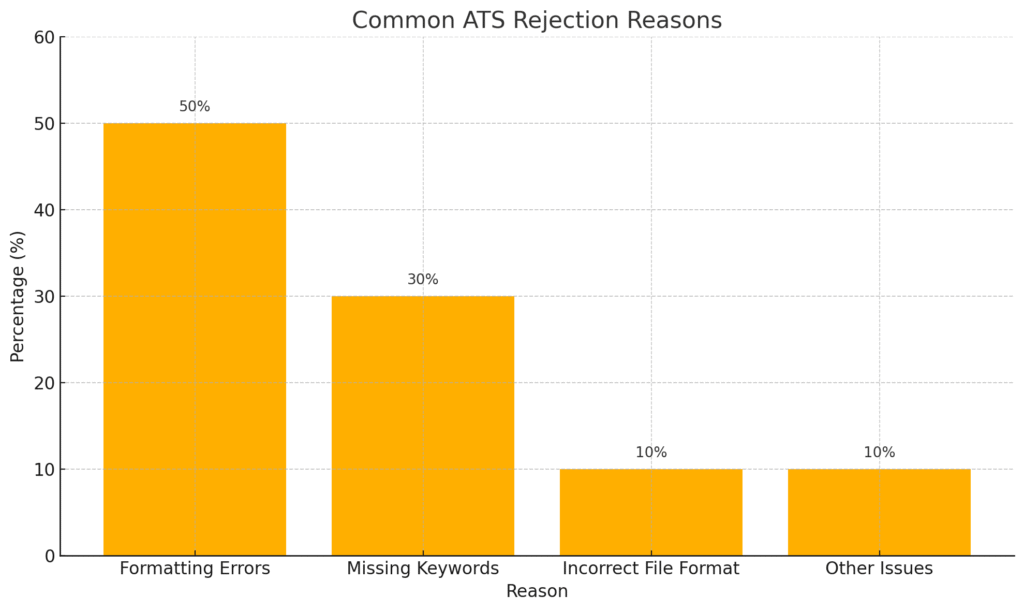
Resume Rejection Reasons by ATS (Bar Chart)
Why ATS Is Making It Harder to Find a Job—and How AI can Fix in 2025
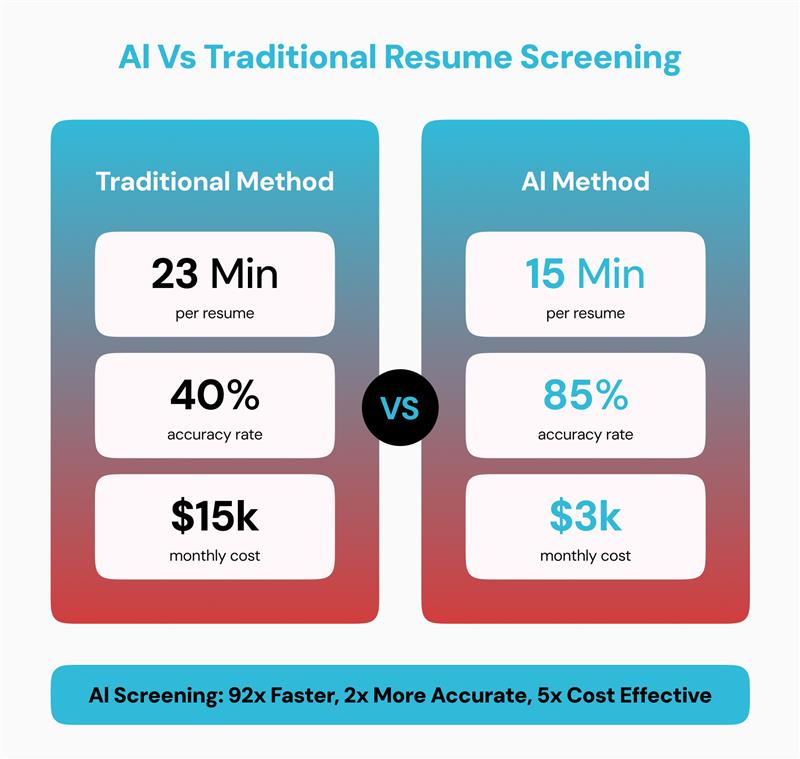
Recent advancements in AI and NLP are attempting to address the core limitations behind why ATS is making it harder to find a job by developing more intelligent systems that go beyond simple keyword matching. Systems are now leveraging transformer-based deep learning models like BERT, RoBERTa, DistilBERT, and LLMs (e.g., GPT, Gemini, Llama) to create semantic embeddings for resumes and job descriptions. These advanced models can evaluate the context and meaning behind terms, providing a more accurate and efficient matching process using cosine similarity for evaluation. For example, Resume2Vec utilizes such models to transform applicant tracking systems with intelligent resume embeddings for precise candidate matching. Similarly, ResuMatcher is an AI-powered resume ranking system that leverages LLMs for semantic understanding, moving beyond traditional keyword-based systems.
This table fits perfectly after the section “Why ATS Is Making It Harder to Find a Job—and How AI Can Fix It in 2025.”
| Feature | Traditional ATS | AI-Powered / Modern ATS |
|---|---|---|
| Resume Evaluation | Exact keyword matching | Semantic & contextual understanding |
| Skill Recognition | Limited to listed keywords | Identifies transferable & related skills |
| Resume Formatting Sensitivity | Very high | Low |
| Bias Risk | High (keyword & formatting bias) | Reduced through contextual analysis |
| Transparency | Black-box decisions | Explainable feedback (LLMs) |
| Candidate Experience | Frustrating | More fair & informative |
Related: Why ATS is Making Your Job Search So Much Harder (and How to fix Them)
Human vs ATS vs AI ATS (Flow Diagram)
Ideal for “Why ATS Is Making It Harder to Find a Job for Qualified Candidates.”
Why ATS Is Making It Harder to Find a Job: Tools and Strategies for Success
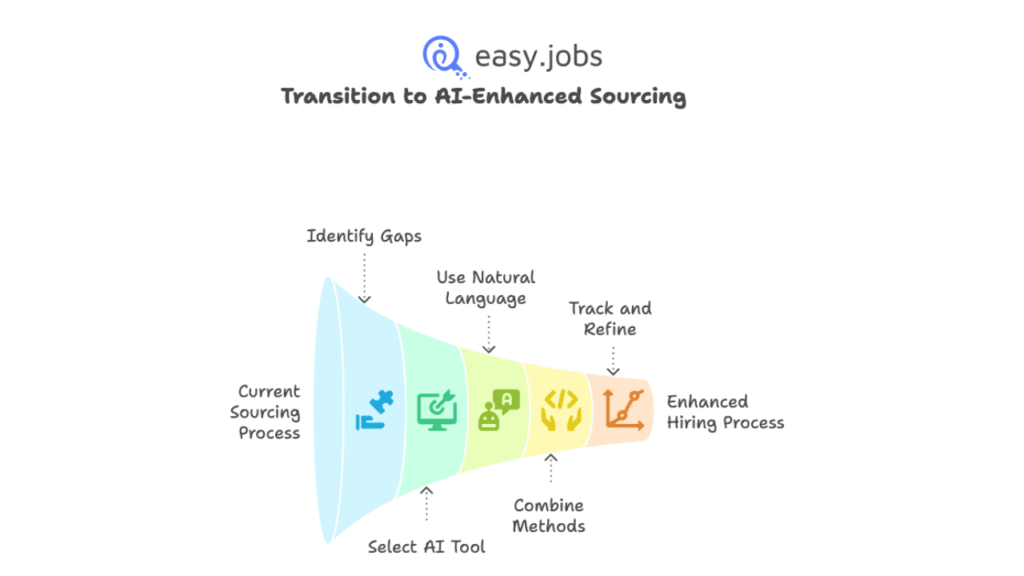
Despite these innovations, the pervasive reliance on less sophisticated ATS by many companies means that job seekers must still meticulously tailor their resumes to overcome these automated hurdles. Training programs and tools are emerging to educate job seekers on creating ATS-compliant resumes, and AI-powered platforms are being developed to help optimize resumes and provide feedback on ATS compatibility. For example, the CareerCraftML system integrates an ATS Scanner to evaluate resumes and optimize them for compatibility. Another project, IntelliPrep, offers an AI-powered solution for resume evaluation and interview readiness.
Conclusion:
In conclusion, while ATS are designed to enhance recruitment efficiency, their current implementations, particularly those relying on rigid keyword matching and being sensitive to formatting, can create significant barriers for job seekers—explaining why ATS is making it harder to find a job. The evolution towards more intelligent ATS powered by advanced NLP and LLMs promises to address these limitations by enabling semantic understanding and reducing bias, but job seekers currently navigate a landscape where understanding and optimizing for existing ATS limitations remains crucial for successful job applications.